
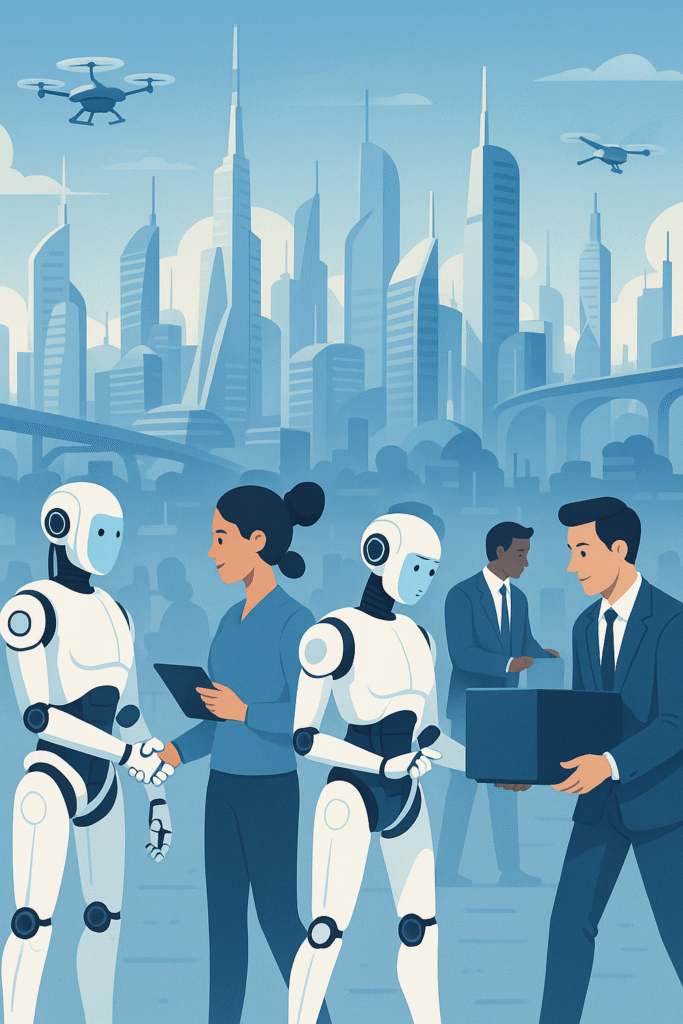
Introduction: Why AI and Automation Matter Today
The rise of AI and Automation is no longer just a futuristic fantasy—it’s our reality. From smart assistants like Alexa to autonomous cars, AI-powered diagnostic tools, and automated customer support systems, these technologies are quietly becoming part of our daily lives.
The big question is not “Will AI take over?” but rather “How will AI help us evolve?” In this blog, we’ll explore how AI and Automation are revolutionizing industries like healthcare, customer service, and content creation, plus take a glimpse at the tools that are shaping our tomorrow.
1. Understanding AI and Automation
1.1 What is Artificial Intelligence (AI)?
Artificial Intelligence is the science of making machines think, learn, and act like humans. It includes machine learning (ML), natural language processing (NLP), and computer vision, among others. AI allows computers to recognize patterns, make predictions, and even understand human language.
1.2 What is Automation?
Automation is the use of technology to perform tasks with minimal human intervention. This can be as simple as setting up email auto-responders or as advanced as robotic arms assembling cars in a factory.
1.3 The Perfect Duo: AI + Automation
When combined, AI & Automation become a powerhouse—AI makes automation smart, and automation makes AI fast and scalable. For example, an AI-powered chatbot can not only reply to customer queries automatically but also learn from each conversation to improve responses over time.
AI in 2025: Breakthroughs, Dangers, and What the Future Holds
2. AI and Automation in Everyday Life
2.1 Healthcare: From Diagnosis to Treatment
AI is transforming healthcare in ways we couldn’t imagine a decade ago:
- AI-powered diagnosis: Tools like IBM Watson can analyze patient symptoms and medical records to suggest possible conditions.
- Remote patient monitoring: Wearable devices track heart rate, oxygen levels, and send alerts automatically.
- Robot-assisted surgeries: Automation ensures precise, minimally invasive procedures with faster recovery times.
💡 Example: Google’s DeepMind AI has developed systems that can detect over 50 eye diseases with accuracy matching expert doctors.
2.2 Customer Service: Instant, 24/7 Support
Automation has redefined customer service:
- AI chatbots handle millions of queries without fatigue.
- Sentiment analysis detects customer emotions in real time.
- Predictive AI anticipates what a customer might ask before they even type.
💬 Case Study: H&M uses AI-powered virtual assistants to recommend outfits based on a customer’s browsing history and weather in their location.
2.3 Content Creation & Marketing
From blog writing to social media posts, AI is helping creators produce more in less time:
- AI writing tools like ChatGPT generate articles, captions, and ad copy.
- Design automation tools like Canva’s Magic Resize save hours in graphic editing.
- SEO optimization with AI tools like SurferSEO ensures better Google rankings.
📌 Tip: Marketers now use predictive analytics to forecast trending topics and create content that matches audience interests before competitors do.
Why Are Humans More Prone to Cancer? UC Davis Study Reveals Genetic Clues
3. AI and Automation Tools You Should Know
3.1 AI Writing & Content Tools
- ChatGPT – Conversational AI for text creation.
- Jasper AI – Optimized for marketing copy.
- Grammarly – AI proofreading and style suggestions.
3.2 Automation Platforms
- Zapier – Connects different apps to automate workflows.
- UiPath – Robotic Process Automation (RPA) for enterprises.
- IFTTT – Simple automation between apps and devices.
3.3 AI in Creative Work
- DALL·E – AI-generated images from text prompts.
- Runway ML – Video editing and AI special effects.
4. The Benefits of AI and Automation
4.1 Speed and Efficiency
Automated processes save time and resources, enabling businesses to scale faster.
4.2 Accuracy and Consistency
AI-powered systems can reduce human error and deliver consistent results, whether it’s in manufacturing or medical diagnosis.
4.3 Cost Savings
While the initial investment in AI tools can be high, the long-term ROI often outweighs costs by reducing labor expenses and increasing productivity.
UK Healthcare’s Digital Revolution: NHS to Prescribe Apps, Online Therapy & AI Cancer Screening
5. The Challenges Ahead
5.1 Job Displacement
Automation could replace certain roles, leading to unemployment in traditional sectors. However, it also creates new opportunities in AI development, maintenance, and ethics.
5.2 Data Privacy Concerns
AI needs data to function, but improper handling can lead to privacy breaches. Governments worldwide are now drafting AI regulations to protect citizens.
5.3 Ethical Decision-Making
If an AI is making decisions—like prioritizing patients for treatment—how do we ensure fairness and transparency?
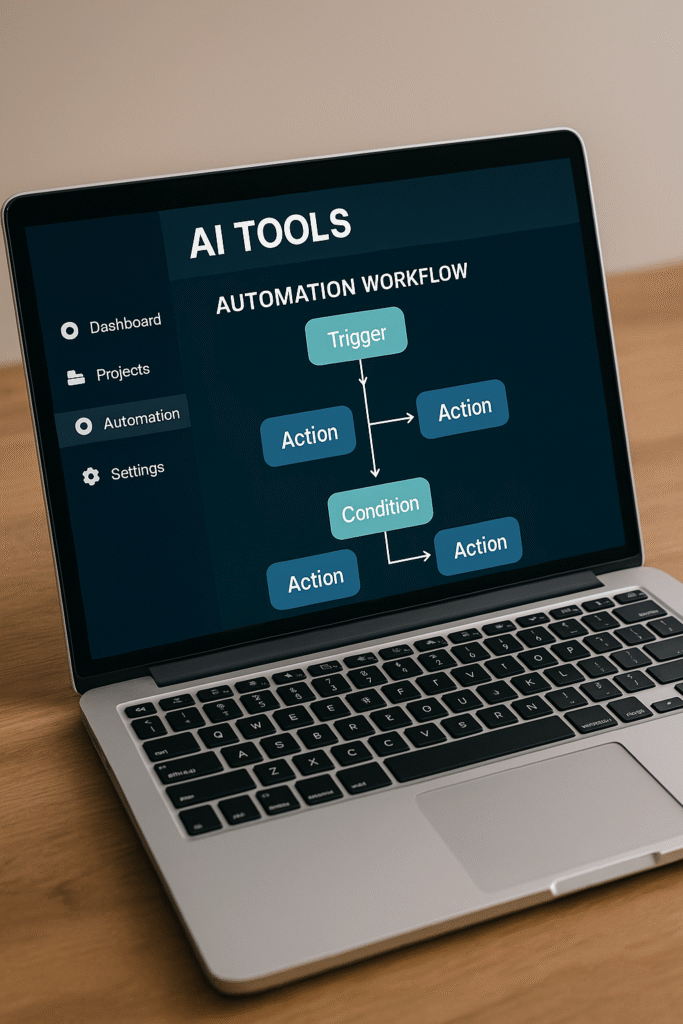
6. Future Predictions for AI and Automation
The coming years will see AI and Automation deeply embedded into every aspect of our personal and professional lives. Let’s explore some bold but realistic predictions.
6.1 AI-Driven Personal Assistants
Virtual assistants will evolve from answering questions to managing entire life schedules—booking appointments, tracking health, and making purchases based on your preferences.
💡 Example: Imagine an AI that not only reminds you to take your medicine but also orders a refill before you run out, based on pharmacy inventory.
Elon Musk Biography 2025: From Childhood Genius to Tech Billionaire & Space Visionary
6.2 Autonomous Transportation
Self-driving cars are advancing quickly, with Tesla, Waymo, and Apple leading the race. By 2030, many cities could have AI-powered public transport systems running without human drivers.
📊 A McKinsey report estimates that autonomous vehicles could save $190 billion annually by reducing accidents and fuel costs.
6.3 AI in Education
AI tutors will deliver personalized learning—adapting to each student’s pace, learning style, and weaknesses. Gamified AI-powered lessons will make learning more engaging than ever.
📌 Trend: Some schools in Japan already use AI to help shy students interact more confidently in class.
6.4 Industry-Wide Automation
From agriculture to finance, automation will handle repetitive tasks, freeing humans for strategic and creative work. AI-powered sensors in farming can track soil conditions, automate irrigation, and predict harvest times with near-perfect accuracy.
7. How Businesses Can Prepare for AI and Automation
Adopting AI doesn’t mean replacing the human workforce—it means enhancing capabilities.
7.1 Identify Automation Opportunities
- Automate repetitive admin work (e.g., data entry, report generation).
- Implement AI-powered chatbots for customer service.
- Use predictive analytics for inventory and sales forecasting.
7.2 Upskill the Workforce
AI requires skilled operators, so companies should train employees in AI tools like Google AutoML, Microsoft Azure AI, and UiPath RPA.
7.3 Focus on Human-AI Collaboration
The most successful businesses will combine human creativity with AI efficiency. For example, an AI can write product descriptions, but a human marketer can add brand personality.
8. AI and Automation Tutorials: Getting Started
Here’s a simple 3-step plan for beginners to start using AI in daily life or business.
Step 1: Choose the Right Tools
- For writing: ChatGPT, Jasper AI
- For design: Canva AI, Adobe Firefly
- For automation: Zapier, Make (Integromat)
Step 2: Start Small
Automate a single repetitive task—like sending follow-up emails. This builds confidence before scaling up.
Step 3: Track Results
Measure time saved, error reduction, and productivity gains to understand AI’s true impact.
🧠 Jeff Bezos Biography 2025: Amazon Founder’s Inspiring Journey, Failures & Leadership Insights
9. Case Studies: AI and Automation in Action
9.1 Healthcare AI in India
Niramai, a Bengaluru-based health tech startup, uses AI for early breast cancer detection through thermal imaging, making it more affordable and accessible.
9.2 AI in Retail
Amazon uses AI for dynamic pricing, adjusting product prices multiple times a day based on demand, competition, and customer behavior.
9.3 AI in Agriculture
In Punjab, smart drones powered by AI are helping farmers spray fertilizers and pesticides efficiently, reducing costs by up to 20%.
10. The Human Side of AI and Automation
While technology is advancing rapidly, human oversight remains crucial. AI can process data, but it lacks empathy, ethics, and cultural understanding—qualities that humans bring to decision-making.
Businesses and governments must ensure ethical AI frameworks, prevent bias, and protect personal data.
Final Thoughts: A Balanced Future
AI and Automation are not about machines replacing humans; they’re about machines empowering humans. Those who learn to adapt, upskill, and collaborate with AI will thrive in the coming decades.
Just like electricity transformed industries in the past century, AI and Automation will power the industries of the future—faster, smarter, and more connected than ever before.